Monday, September 9, 2019

Clinical Studies For Children Are Gaining Popularity Among Parents

Clinical studies for children are becoming more popular as more research and results are showing promise in the treatment of childhood disorders. If your child suffers from any kind of disease or condition, from cancer to asthma, you understand the struggle to find the right treatment with the least side effects.

This is exactly why doctors and researchers are conducting clinical studies on children; they want to find cures for childhood diseases and conducting research studies on children is the only way to get new and existing treatments out into the world for widespread use.

How Clinical Studies for Children Work

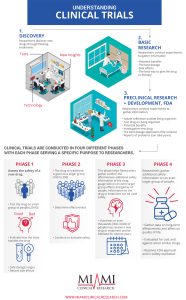
Every clinical study is led by a protocol. The protocol helps establish what the trial will study, who may be a good candidate, what treatments will be used, and how the results will be measured.

Studies are randomized and controlled, with the children separated into groups. The groups in the “experimental” category will receive the treatment that is being tested. There’s also the “control” group who will continue with whatever their normal, traditional treatment is, or they take a placebo pill.

The children in the studies aren’t aware if they’re taking the placebo or the new treatment, that way their perceived response won’t be influenced by whether or not they’re taking the real medication. Sometimes, studies are “double-blind” where the children and the researchers are unaware of who’s taking the real drug.

Once the study is over, researchers should have enough data to analyze that will tell them how successful the new treatment was.

What Children Can Participate?

Each study has different criteria to determine who is a candidate. Most often, children with an illness that aren’t responding to current treatment or who may benefit from potential new treatments are the best candidates for studies.

Your child’s doctor can help you decide if your child is right for a particular trial. If your child is a good candidate for a trial, they still have to meet the specific requirements unique to that study. Things like age, gender, and medical history are taken into account when choosing who will participate in a given study.

Benefits of Clinical Studies for Children

Clinical studies for children continue to increase in popularity thanks to the success they’ve seen in recent years. There’s some controversy over whether or not its ethical to put children in clinical trials, however, for treatments that are created for children, they must be trialed on children.

Adults and children react to medications and treatments differently, making it imperative that children be the ones that are used to trial the treatment. That being said, there are a number of amazing benefits to clinical studies for children and the risks are usually very low thanks to the extensive research that’s conducted before the trial even begins.

Participating in a clinical trial means your child is helping to shape modern medicine, helping find treatments for other children, and creating a new standard of care. Additionally, the more effective the treatment, the more likely your child will benefit from the cutting edge treatment that they wouldn’t yet have access to otherwise.


source https://miamiclinicalresearch.com/clinical-studies-for-children-are-gaining-popularity-among-parents/

Wednesday, September 4, 2019

What Can A Parent Do When Their Child Suffers From ADHD?

If your child has been diagnosed with ADHD, you’re likely feeling a little overwhelmed with all the information out there. You’re desperately trying to figure out what to do to help your child cope with his or her condition.

ADHA, or attention deficit hyperactivity disorder, is a complex disorder that can affect everything from how well your child performs at school, to their relationships. As a parent, you want to do everything you can to help your child and minimize their symptoms.

This article will help you answer the question “what do you do when your child suffers from ADHD?” and how you can help your child navigate life with this disorder.

Signs of ADHD

There are a number of signs and symptoms that are indicative of ADHD. Whether your child has been officially diagnosed with this disorder, or you have an inkling that he or she may have it, here are the top symptoms: 

  • Self-focused behavior
  • Interrupting when others are talking
  • Difficulty waiting for their turn
  • Fidgetiness or difficulty sitting still
  • Difficulty controlling their emotions
  • Lack of focus
  • Daydreaming
  • Difficulty getting organized
  • Forgetfulness

Your child may suffer from one or many of these symptoms. If you feel that your child is exuding unusual symptoms that are interfering with their ability to function normally, talk to your doctor about treatment options.

ADHD Treatment

The good news for parents with children who suffer from ADHD is that it’s treatable. There are many current medications that are used to treat symptoms of ADHD, but researchers are working on new medications to act as an add-on drug that further controls impulses and outbursts.

Clinical trials are being conducted right now to research the effectiveness of new treatments for ADHD that can help children who suffer better manage their condition and their behavior. If your child has been diagnosed with ADHD, check to see if there any research studies near you, your child could have access to cutting edge medication and specialists.

Traditional treatment methods include: 

  • Central nervous system stimulants (Adderall, Ritalin, etc.)
  • Nonstimulant medications (anti-depressants)
  • Psychotherapy
  • Behavior therapy 
  • Social skills training
  • Support groups

Your child’s doctor will recommend the best treatment for your child and his or her specific symptoms of ADHD. 

How Parents Can Help

Although you may be feeling confused and overwhelmed with your child’s diagnosis, it’s imperative that you remain calm and do what you can to minimize the stress both you and your child are feeling.

Aside from taking your child to his or her doctor to get their professional advice and treatment recommendation, ask about clinical trials for children with ADHD and see if your child would be a good candidate.

This is a heavily researched aliment, and researchers believe they can find better ways to treat symptoms.

It’s also important that you take care of yourself during this difficult time so that you can best care for your child and their needs. There are parent support groups and counseling that focus on helping parents of children with ADHD to cope with their diagnosis.


source https://miamiclinicalresearch.com/what-can-a-parent-do-when-their-child-suffers-from-adhd/

What Do You Do When Your Child Suffers From Low Iron?

Low iron in children can be relatively common, however, parents are usually alarmed when they get the diagnosis and frantically search for what to do when their child suffers from low iron.

In this article we’ll cover what low iron means, what the symptoms are, and what you can do if your child suffers from low iron.

Why Iron Is Important For Children

Iron is an essential nutrient in your child’s diet because it helps support their growth and development. Iron helps to move oxygen from your child’s lungs to the rest of their body and also helps their muscles to use and store oxygen.

If you child’s diet is lacking in proper iron, he or she may develop iron deficiency, or low iron. There are many degrees of low iron, from mild cases to anemia, which is a condition that occurs when the blood lacks adequate healthy red blood cells.

Any degree of low iron can affect your child’s growth and development, making it vital that healthcare providers track iron levels in children and make sure parents know how to bolster iron levels when they’re low.

The good news is, low iron in children can be treated and prevented.

Low Iron In Children: Risk Factors

There are a number of risk factors for infants and children when it comes to iron deficiency, including:

  • Babies who are born prematurely
  • Babies who drink cow’s milk or goat’s milk before age 1
  • Breast-fed babies who aren’t supplemented with iron-rich foods after age 6 months
  • Formula-fed babies whose formula doesn’t contain added iron
  • Children aged 1 to 5 years who drink in excess of 24 ounces of cow, goat, or soy milk per day
  • Children aged 1 to 5 years who have been exposed to lead
  • Children on a restricted diet or who suffer from chronic infections

My Child Has Low Iron, What Do I Do?

First, if your child has been diagnosed with low iron, don’t panic. There are a number of reasons why your child may be suffering from this condition and there are ways to remedy it, including:

Serve Iron-Rich Foods

When your baby is old enough to ingest solids, anywhere from 4-6 months, feed him or her foods with added iron. Iron-fortified cereal, pureed beans and pureed meats all contain a wealth of extra iron. For older children, you can encourage more red meats, chicken, beans, fish, and dark leafy veggies.

Control Milk Intake

Monitoring your child’s milk (cow, goat, soy) intake and ensuring they aren’t getting more than 24 ounces in one day.

Increase Vitamin C

Vitamin C helps to promote the absorption of iron in the body. Offer your child citrus fruits, strawberries, bell peppers, tomatoes and dark green veggies. 

Iron Supplement

If your child’s doctor determined that iron levels are low, they may prescribe an iron supplement that can be taken as a liquid or a pill. These treatments usually last for a 3 month period to help iron get absorbed into the body. Following this treatment, utilizing the other methods to increase iron in the diet will help keep the levels where they should be.

Participate In Clinical Trials

There are a number of clinical trials being conducted right now that are testing new treatments designed to treat children with low iron. By participating in these clinical trials, your child can have access to new, cutting edge medicines and treatments that may work better and faster than any other traditional treatment option.


source https://miamiclinicalresearch.com/what-do-you-do-when-your-child-suffers-from-low-iron/

How to Apply for a Clinical Trial

Clinical trials help researchers make it possible to apply the latest scientific and technological advances to health care. Whether a clinical trial is being conducted to test a new drug, treatment, or device, the purpose is to find new and improved methods of treating, preventing, and diagnosing different diseases.

In order for researchers to test new technology, they must have people to participate in research studies. Of course, any new treatment is extensively tested and researched before humans are ever exposed to something new.

Those who participate in clinical studies are helping advance the future of medicine. Most clinical studies are paid, so you can give to the medical community and get rewarded with a nice payout, too.

How to Apply For a Clinical Study

The first step in applying for a study is to find one that you’re interested in applying to. Some studies require that you have a certain condition or illness, while others require healthy adults. You can visit clinicaltrials.gov to search for a research study near you that fits your criteria.

Once you have a study that you’re interested in, the next step is to reach out to the entity that’s running the study. Your next steps will look something like this: 

  • Screening: Once you get in contact about available studies, you’ll be asked a few screening questions to be sure you’re a match. If so, you’ll continue onto the next phase.
  • Physical: Before being accepted into a clinical trial, you must have a physical assessment to verify the state of your heath. This is also the step where you can ask medical professionals any questions you may have about the trial, possible side effects and how it may affect you.
  • Participation: If you pass the physical requirements of the trial and you’re satisfied with the conditions of the study, you’ll move on to the participation aspect which will look different for each unique study.

As you can see, applying for a clinical study is not difficult, but it does take some time to make sure that you’re a good fit for the trial and that you understand all that’s involved with your participation. Miami Clinical Studies

Benefits of Participating In a Clinical Study

There are so many wonderful benefits to participating in clinical trials. If you’re thinking of applying for a clinical study, consider these benefits:

  • You get the unique opportunity to benefit from new and exciting research that may be more effective than traditional treatments.
  • You’re helping to advance medicine and improve the lives of others.
  • You’re getting access to some of the best, most innovative doctors available.
  • You get paid to help find cures. 

Want more information on how to apply for a clinical study near you? The team here at Miami Clinical Research has exciting new research studies available in the greater Miami area!


source https://miamiclinicalresearch.com/how-to-apply-for-a-clinical-trial/