Wednesday, November 27, 2019

How to Determine if You Have a Common Cold

Stuffy, running nose, coughing, congestion—ut oh, sounds like you’re developing the common cold. If you’re beginning to feel under the weather, you may be wondering how to determine if you have a common cold or even something more serious.

In this article, we’ll outline how to determine if you have a common cold by identifying the symptoms as well as what to do to start feeling better after you’ve been diagnosed.

What is the Common Cold?

The common cold, also referred to as a cold is a very common ailment that’s caused by a viral infection of the upper respiratory system. Colds usually begin with a sore throat, and before you know it, you start feeling a whole host of other symptoms along with it.

Sneezing, runny nose, coughing, fatigue, headache—these are a few of the most commonly felt symptoms of the common cold. While none of these are severe and life-threatening, it can certainly affect your ability to function properly throughout your day.

Cold sufferers commonly describe an overall feeling of malaise, or unwell, during the course of the virus. The viruses that cause colds can affect anyone, from adults to children and everyone in between.

Fevers are uncommon in cold sufferers. If you do have a fever, it could be a sign of the flu or an infection caused by bacteria.

Common Cold Treatment Methods

Unfortunately, there’s no cure right now for the common cold. Many people are mistaken when they think that antibiotics can help kill the common cold. Antibiotics can only kill a bacterial infection, they are of no use for a common cold virus.

There are several over the counter treatment methods available to help lessen and alleviate some of the symptoms you’re feeling, including:

  • Pain relievers: these can be used to treat sore throat, headache, body aches and more. Acetaminophen is the most popular over-the-counter pain reliever.
  • Nasal sprays: there are several nasal sprays and drops available, both for adults and children, that help to loosen up mucus and flush the upper respiratory system out.
  • Cough syrup: this can be used to stifle your cough, loosen mucus, and soothe a dry, irritated throat.

The most common treatment method is rest and lots of fluids. Viruses that cause colds aren’t curable yet, so we often resort to letting it “run its course.”

Clinical Studies for the Common Cold Are Underway in Miami

If you’ve determined that you’re suffering from a common cold, there may actually be an upside. Sure, you’re still probably going to be feeling sluggish for a few days and you’ll certainly want to make sure you have enough tissues on hand, but those in Miami have an opportunity to get paid for their cold.

Miami Clinical Trials has begun seeking common cold sufferers to participate in a clinical trial that’s researching colds, their causes, and potential new treatment methods. If you’ve begun experiencing cold symptoms over the last couple of days, you may be eligible to participate, receive cutting edge treatment, and help advance medical research.


LEARN HOW TO PARTICIPATE

JOIN NOW —-> APPLY TODAY!


source https://miamiclinicalresearch.com/how-to-determine-if-you-have-a-common-cold/

Wednesday, November 20, 2019

Ways to Get Paid When You Have a Cold

cold flu clinical study

Acquiring a common cold isn’t all bad news; in fact, you could receive financial compensation for being sick!

Aside from taking a paid sick day from the office, there are other ways to get paid when you have a cold. Paid clinical trials are cropping up all over, including right here in Miami, that are helping researchers test new treatments while also giving cold sufferers a boost in their bank account.

Sound intriguing? Read on for more information regarding how clinical trials may be your silver lining the next time you start feeling a cold come on.

Research Studies That Pay When You’re Sick

Of course, no one wants to get sick, but in the case of a common cold, it’s almost inevitable. Even the healthiest people catch a cold from time to time.

While you may not have chosen to feel under the weather, you don’t have to dwell in despair. You can turn the situation into a positive one by choosing to aid in the advancement of the medical community through participating in a clinical trial.

Researchers and scientists use clinical trials to test new drugs and treatment methods aimed at curing or reducing the occurrence of all different types of ailments. Illnesses from the common cold to cancer rely on the help of willing participants to trial new treatments in order to get them approved and available for public consumption.

Participating in a clinical trial provides not only a financial gain for you, but it also gives you access to cutting edge treatments and allows you to be a part of medical history, helping pave the way for new treatments that will help many others down the line.

Closing the Gap on Common Cold Treatment

Institutions like Miami Clinical Research are working hard to close the gap on common cold treatments. New treatment methods are being tested that aim to reduce the severity and duration of colds in both children and adults.

Colds are the most common illness likely to affect both kids and adults and it’s the number one reason for school absences as well as missed days at work. Colds are caused by viral infections, and there are over 200 different virus strains that can cause the common cold, making it difficult to pin down a cure.

As we enter the fall and winter months and we spend more time indoors (yes, even in Miami), there’s an increased chance of people catching colds and suffering from the symptoms that can range from sneezing, coughing, and runny nose to headaches and low-grade fevers.

Researchers are working hard to hone in on effective treatments that can help stop cold symptoms dead in their tracks, reducing the longevity of your symptoms.

Have a Cold? Want to Get Paid?

If you’re searching for ways to get paid when you have a cold, you’re in luck because Miami Clinical Research is looking for you. If you have experienced the recent onset of cold symptoms, you may be able to participate in a clinical trial testing new treatment methods.


LEARN HOW TO PARTICIPATE

JOIN NOW —-> APPLY TODAY!


source https://miamiclinicalresearch.com/ways-to-get-paid-when-you-have-a-cold/

Wednesday, November 13, 2019

The Common Cold or Flu, Which Do You Have?

flu clinical trial mcr

The Common Cold or Flu, Which Do You Have?

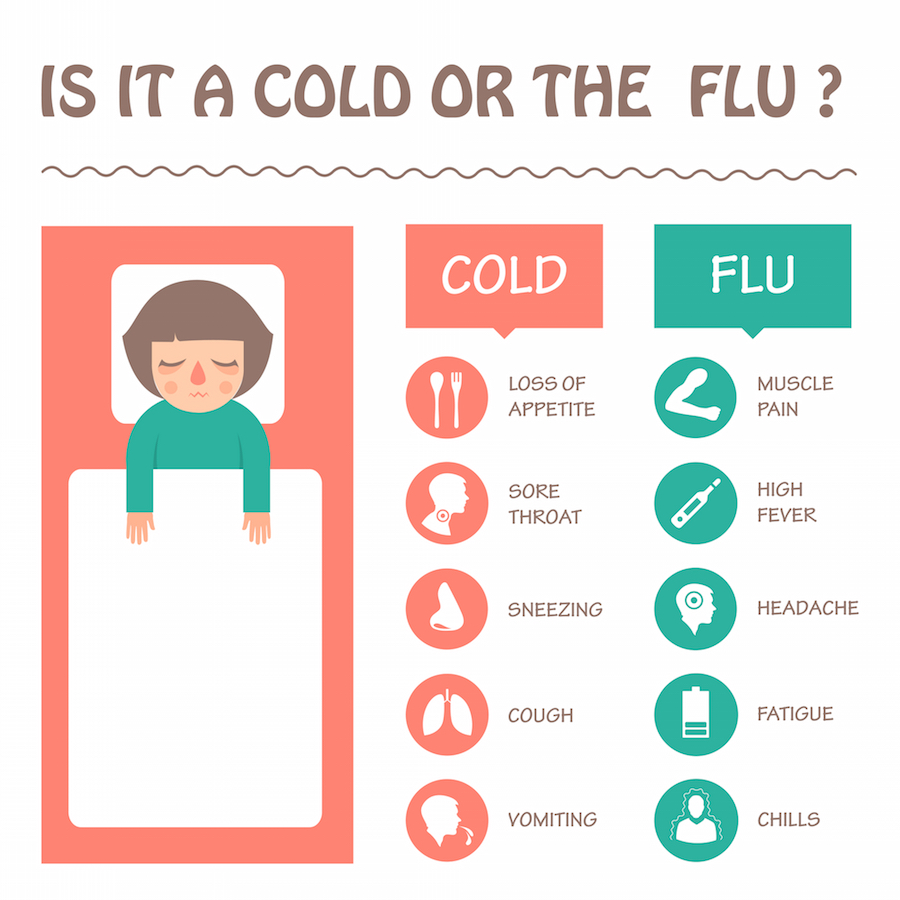
You’re congested, your head is pounding, and your throat is aching—do you have a case of the common cold or could it be the flu? The symptoms for both illnesses are similar, so unless you visit your doctor and get tested for the flu, you may be left wondering.

There are, however, some basic guidelines that can help you to determine whether you have a common cold or flu. We’ll go over those as well as give some insight as to what to do when you have either of these infections.

There’s no known cure for the flu or the common cold, however, researchers are working hard to find new treatments that reduce symptoms and shorten the duration of both illnesses. Clinical trials are being conducted all around the country, including here in Miami, that are testing exciting new treatments. Exciting things are on the horizon!

The Common Cold or Flu—What’s The Difference?

If you’re feeling ill, it’s important that you know the difference between flu and cold symptoms so that you can identify what you have and move forward with the proper treatment protocol.

In general, a cold is a milder illness than the flu. A common cold will typically make you feel ill for several days, but the flu can drag on anywhere from days to weeks. Additionally, the flu can result in more serious health problems like pneumonia.

Initially, you may not know what type of illness you’re dealing with, however, if your cold symptoms progress and last for more than a week, it may be time to head to the doctor to be tested for the flu.

Symptoms of the Common Cold

Everyone is susceptible to “catching” a cold every once in a while. Unfortunately, the viruses that cause colds are everywhere, especially in the cold weather months. Most people can feel a cold coming on by these telltale symptoms:

  • Congestion
  • Runny nose
  • Cough
  • Sore throat
  • Sneezing
  • Headache
  • Low-grade fever (most often in children)

In the beginning stages of a cold, the mucous secretions from the nose are usually watery in nature. As the cold runs its course, the secretions will naturally become thicker and darker in nature.

Symptoms of the Flu

Flu symptoms are very similar to those of a cold; however, they tend to be more severe and come on much quicker. Flu season runs from fall to spring, with peak months in the winter. In addition to the symptoms we listed above for the common cold, flu sufferers also often feel:

  • Fever
  • Muscle aches
  • Soreness
  • Vomiting and Diarrhea

flu clinical trialsIf you’re suffering from any of these symptoms for a week or more without any noticeable improvement, there’s a good chance that you’re dealing with the flu and not just a regular cold.



There is no cure for the flu, however, the flu shot can be administered to help prevent you from catching it as well as help reduce symptoms should you still get it.

Whether you have a common cold or the flu, you must allow your body to rest and recuperate as best as you can.

If what you’re experiencing is the common cold, you may be eligible to participate in a clinical research study right here in Miami that’s testing new cold treatments aimed at shortening the duration of your cold and easing the symptoms.


LEARN HOW TO PARTICIPATE

JOIN NOW —-> APPLY TODAY!


source https://miamiclinicalresearch.com/the-common-cold-or-flu-which-do-you-have/

Wednesday, November 6, 2019

Common Cold Clinical Research Studies Forming in Miami

flu common cold clinical research

With fall in full swing and the winter months coming, the common cold is starting to plague people everywhere. Although suffering from a cold is not fun by any means, there are common cold clinical research studies forming in Miami that will pay you to try new treatments.

Symptoms of the Common Cold

The common cold is just that; common. It’s a viral infection of your upper respiratory tract (nose and throat.) This type of virus is usually quite harmless; however, it can cause you to feel unwell for some time.

Children tend to be the most at-risk for the common cold, however, even perfectly healthy adults usually get at least two to three colds per year. People who are in good general health can expect to feel better within 7-10 business, but those days can feel particularly long due to the nagging symptoms which include:

  • Runny and/or stuffy nose
  • Headache
  • Sore throat
  • Cough
  • Body aches
  • Sneezing
  • Low-grade fever
  • An overall feeling of unwell

Symptoms vary from person to person, as well as the severity. There are several treatment options available to help alleviate these symptoms, however, there is no cure for the common cold. More often than not, cold sufferers are told to just let their symptoms run their course.

How Common Cold Clinical Research Studies Work

Researchers in South Florida are studying ways to reduce symptoms as well as shorten the length of time that people are plagued with cold symptoms.

According to the CDC (Centers for Disease Control and Prevention), common colds are the main reason for school absences in children and why adults miss work. Those who suffer from these viruses often don’t feel well enough to perform their daily tasks, so they’re forced to stay home and recuperate.

Common over the counter treatment methods aren’t sufficiently relieving symptoms as fast as people would like, so researchers are looking for a better way to treat and kill the viruses that cause the common cold, thus shortening the length of the illness.

The key to conducting common cold clinical research is to catch people when their symptoms first appear, so ideally within 40 hours of the onset of symptoms.

Researchers are beginning to look for qualified candidates to participate in a study that’s geared towards helping you get back on your feet quicker.

Get Paid When You Have the Common Cold

Unfortunately, the common cold is a part of life for now, but the good news is, you can get paid if you come down with it! If you’ve felt the tell-tale signs of a cold coming on over the last day or two, Miami Clinical Research could use your help.

By participating in a clinical research trial, you’re paving the way for modern medicine and advancements so that future generations, even your own, can reap the benefits of new medical technology.

All treatments are fully tested and verified before clinical trial patients are exposed to them. As a participant, you are not only contributing to the common good of people everywhere, you’re increasing your likelihood of recovering from your cold faster and getting paid, too!

LEARN HOW TO PARTICIPATE

JOIN NOW —-> APPLY TODAY!


source https://miamiclinicalresearch.com/common-cold-clinical-research-studies-forming-in-miami/

Wednesday, October 16, 2019

Medical Studies in South Florida Focus on Women’s Health

menopause clinical trial

Medical Studies in South Florida Focus on Women’s Health

Women’s health has historically been swept under the rug and regarded as something that comes from being born female. From menopause to yeast infections, women often feel embarrassed and ashamed to voice their struggles to their close friends, let alone their doctors.

Today, researchers in the medical field are taking notice and bringing women’s health issues to light. They’re attempting to break the mold and discover treatments that help women deal with some of their most common female health issues.

A South Florida research center is dedicating a whole series of medical studies to women’s health and finding safe, effective treatments for women’s biggest concerns.

Improving Women’s Health Through Research Studies

It goes without saying that men and women are different, and therefore have different health concerns. Women deal with several health issues that historically haven’t received a lot of medical attention.

Women have always been underrepresented in clinical trials and now that we know more about the gender differences on a molecular level, it’s time to hone in on gender-specific treatment options.

A South Florida clinic has set out to make women’s health a priority by conducting research studies that focus specifically on finding treatment for women’s health issues.

South Florida Clinic to Focus on Specific Women’s Health Issues

Miami Clinical Research is currently accepting applicants to participate in clinical trials for four different hot-topic women’s health issues. These issues include:

Menopause

Menopause is a fact of life for women, yet there is so much we don’t understand about it and how to treat the sometimes unbearable symptoms. From hot flashes and night sweats to unexplained weight gain, women need reliable treatment options that help them to cope with this inevitable female rite of passage.

Recurring Yeast Infections

Yeast infections have historically been a taboo subject, with many women feeling embarrassed and ashamed by their condition. While a one-off yeast infection can be easily cleared by an antibiotic, recurring yeast infections remain a mystery to which there is often no cure.

Endometriosis

Endometriosis is defined by heavy pelvic pain and excessive bleeding which can seriously interfere with your quality of life. Not to mention the fact that this condition can wreak havoc on your fertility. This condition is largely misunderstood, and the current treatment options are not providing the relief women need.

Long-Acting Reversible contraceptive

Women need more birth control options that aren’t a nuisance to remember and don’t interfere with future family planning goals. With long-acting reversible contraceptives, women have the freedom to know they’re preventing pregnancy without worrying about a daily pill or invasive procedure.

These are four major areas of concern for women that are now being brought to light and researched in the in-depth manner they deserve. These clinical studies for women’s issues are open for applicants now.

If you’re a woman who’s suffering from any one of these conditions or issues, you can help advance the future of medicine for all woman-kind by participating in clinical trials that test the effectiveness of new treatments that just may become the new health standard for women’s health issues.

LEARN HOW TO PARTICIPATE

JOIN NOW —-> APPLY TODAY!

PAR


source https://miamiclinicalresearch.com/medical-studies-in-south-florida-focus-on-womens-health/

Tuesday, October 15, 2019

What Are the Treatments Available for Symptoms of Menopause

menopause clinical trial

What Are the Treatments Available for Symptoms of Menopause?

Menopause affects women differently; some women experience life-altering symptoms that interfere with their quality of life while others hardly notice a change.

If you’re one of the many women who fall into the former, you’re probably scouring the internet for treatments available for symptoms of menopause. From unbearable hot flashes to frustrating weight gain, you feel ready to take back control of your body and your life.

While there’s no cure for menopause as this is a natural part of the female aging process, it certainly shouldn’t derail your whole life. There is plenty of treatment option to help minimize the side effects of menopause and there’s currently a surge of clinical trials that are testing new treatment methods designed specifically for menopausal women.

Treatment Options for Symptoms of Menopause

Since menopause is a natural part of the aging process of the female body, the number one thing you can do to help treat the symptoms of menopause is to keep your body strong and healthy. This means making sure you’re getting enough water in, eating healthy, nutritious foods, and moving your body through exercise.

Just these self-care items can dramatically improve a women’s overall health and outlook during this transitional period, however, some women have more severe symptoms that require medical intervention to control.

Before we dive into the treatment options available, keep in mind that every woman and situation is unique, and ultimately, it’s up to you and your doctor to determine what the best plan of care is for you.

Menopause Treatments

Here are the current treatment options for menopausal women who need extra support during this hormonal change:

  • Low-Dose Birth Control: Hormonal birth control pills can help to reduce hot flashes, vaginal dryness, mood swings, and heavy or irregular periods.
  • Hormone Replacement Therapy: This is designed to help treat postmenopausal women with their symptoms by supplementing estrogen and progesterone. This treatment can be risky and its recommended that the lowest dose be used for the shortest possible time to prevent additional complications.
  • Anxiety Medications: Some doctors prescribe anti-anxiety medications to treat hot flashes.
  • Prasterone: This hormonal medication is used to treat women who experience pain during sex and vaginal dryness after menopause. Additionally, there are other over the counter products you can buy to make sex more comfortable like vaginal lubrication.
  • Hormone Therapy Pills or Patches: There are hormone pills and patches that are designed to help reduce severe vaginal dryness and hot flashes.


Research Studies for Women’s Health Issues Underway

There are several treatment options for women who are faced with a difficult transition to menopause, however, many of these treatments were designed for other issues and may not effectively work for everyone.

As more and more research is conducted on women-specific health topics, researchers have begun conducting research studies to test exciting new treatments.

If you’re a woman who’s dealing with unbearable menopause symptoms and you’re looking for reliable, safe treatment, you may want to consider checking to see if there are many clinical trials being conducted in your area. This is a chance to try groundbreaking new treatments and help pave the way for menopausal women of the future.

LEARN HOW TO PARTICIPATE 

JOIN TODAY —-> APPLY NOW


source https://miamiclinicalresearch.com/what-are-the-treatments-available-for-symptoms-of-menopause/

Monday, October 7, 2019

South Florida Research Facility Introduces Studies for Menopausal Women

South Florida Research Facility Introduces Studies for Menopausal Women

For many women, menopause is a difficult period in their life. It’s often marked by emotional swings, uncomfortable physical symptoms and feeling as if you don’t have control of your body.

We know a lot about menopause and the hormonal changes that take place during this time, however, there aren’t many safe, natural treatments available that women feel comfortable pursuing as a means of relief from their often unbearable symptoms.

A South Florida research facility recently introduced studies for menopausal women that are aimed at finding a reliable, safe treatment for the unpleasant side effects that are frequently associated with menopause.

Research Studies for Menopausal Women

Research studies are performed to test new treatments and medicines before they’re available for mainstream consumption. Of course, before anyone participates in a clinical trial, the course of treatment is fully tested and researched.

Research studies for menopause is a rather new concept, although menopause itself certainly isn’t. Previously, this time was considered a fact of life, something that women just needed to get through.

While it’s true that this is a rite of passage for all aging women, you shouldn’t have to suffer painful, frustrating symptoms if there’s a way to lessen them. Researchers are working hard to find impactful methods of symptom reduction for those who experience crippling side effects.

While there’s no way to prevent or “cure” menopause, we are getting closer to having viable treatment options available for women whose symptoms interfere with their daily life.

Diagnosing Menopause and Current Treatment Options

Menopause usually begins in the late ’40s to early ’50s in most women. Many women will start to notice an irregular or missed periods as their first sign.

Since this change is driven by hormones, your doctor can administer a blood test to verify hormone levels in your blood which will indicate your menopausal status. They can check your TSH, FSH, progesterone, and estrogen; these levels will indicate whether or not you’re still ovulating.

Currently, the treatment options for women experiencing menopausal symptoms that are affecting their quality of life include:

  • Hormone replacement therapy
  • Low-dose antidepressants
  • Vaginal estrogen
  • Gabapentin 
  • Clonidine
  • Medications to prevent Osteoporosis

The problem with most of the treatments available is that many of them create more unwanted symptoms, leaving women with little choice and little relief.

South Florida Research Clinics Wants to Help Women Better Manage Their Menopausal Symptoms

For all the women who are dealing with crippling hot flashes and night sweats that are making it difficult to function normally, there’s a new drug being tested in South Florida that just may provide them with the relief they’ve been searching for.

There’s a new oral medication that’s being tested right now for effectiveness at reducing the hormonal symptoms associated with menopause. The time has come for better treatment and management of the side effects of menopause.

Researchers are looking for post-menopausal women who are suffering from night sweats, hot flashes, and other hormone-related changes to participate in this breakthrough study that just may change the narrative for women dealing with menopause symptoms.

LEARN HOW TO PARTICIPATE

JOIN TODAY — > APPLY NOW


source https://miamiclinicalresearch.com/south-florida-research-facility-introduces-studies-for-menopausal-women/

Menopause: Symptoms, Causes, Treatment, and More

What Happens During Menopause?

Every woman at some point in her life will experience menopause. This is defined as the time when a woman stops having her monthly period, signifying the end of her child-bearing years.

The age that women experience this change will vary, but most women will begin menopause in their late 40’s to early ’50s.

Menstruation is driven by hormones; once that process discontinues, many hormonal changes cause a wide range of side effects as the production of estrogen and progesterone dips.

Every woman’s response to menopause is different, and the severity at which you feel the side effects of the changes in your body will vary as well. In this article, we’ll talk about what happens during menopause and what you can do to make the transition as smooth as possible.

What Hormones Change During Menopause?

A woman’s ovaries are the reproductive glands that store eggs and release them into the fallopian tubes once a month. They’re also responsible for producing the female hormones estrogen and progesterone—these two hormones together control menstruation.

As menopause nears, there’s a dip in the production of the female hormones and the ovaries no longer release eggs. When there is no egg released, there is no menstrual cycle.

The Stages of Menopause

Natural menopause in a woman’s body will happen gradually, over the following three stages:

  1. Perimenopause: This is the time before actual menopause begins. This period usually starts 8-10 years before menopause and is characterized by decreased estrogen. Women will still experience menstrual cycles during this time as they still release an egg and can get pregnant, but hormone levels are beginning to decline.
  2. Menopause: This is the point where a woman is no longer having a menstrual cycle or releasing eggs. This time is defined by a woman not having a cycle for at least 12 months.
  3. Post-menopause: This is defined as the time after menopause is complete. Most women enjoy a reduction in symptoms, however, the decreased hormones put them at risk for other health conditions like osteoporosis and heart disease.

Symptoms of Menopause

Women transitioning to menopause often experience the following symptoms:

  • Hot flashes
  • Night sweats
  • Vaginal dryness
  • Discomfort during sex
  • Urinary urgency
  • Difficulty sleeping
  • Emotional changes
  • Hair loss
  • Weight gain
  • Headaches
  • Joint and muscle pain
  • Decreased sex drive
  • Difficulty concentrating

Not every woman will experience all of these symptoms, some women even report experiencing very little as they go through this rite of passage.

How to Manage Menopause Symptoms Naturally

Menopause is a very delicate time in your life; it’s the end of an era and the end of your reproductive age. Many women feel a sense of sadness knowing they no longer have the ability to carry a child.

Unfortunately, unpleasant side-effects only serve to make matters worse. What happens during menopause is not usually described as pleasant, however, it’s a very natural process that all women will go through.

If you’re dealing with menopause symptoms, the best way to combat them is to take care of yourself and your body. Eating the right foods, getting enough water, and exercising will help keep your body and mind in check as you embark on this life transition.

LEARN HOW TO PARTICIPATE

JOIN  TODAY —- > APPLY NOW!


source https://miamiclinicalresearch.com/menopause-symptoms-causes-treatment-and-more/

Monday, September 9, 2019

Clinical Studies For Children Are Gaining Popularity Among Parents

Clinical studies for children are becoming more popular as more research and results are showing promise in the treatment of childhood disorders. If your child suffers from any kind of disease or condition, from cancer to asthma, you understand the struggle to find the right treatment with the least side effects.

This is exactly why doctors and researchers are conducting clinical studies on children; they want to find cures for childhood diseases and conducting research studies on children is the only way to get new and existing treatments out into the world for widespread use.

How Clinical Studies for Children Work

Every clinical study is led by a protocol. The protocol helps establish what the trial will study, who may be a good candidate, what treatments will be used, and how the results will be measured.

Studies are randomized and controlled, with the children separated into groups. The groups in the “experimental” category will receive the treatment that is being tested. There’s also the “control” group who will continue with whatever their normal, traditional treatment is, or they take a placebo pill.

The children in the studies aren’t aware if they’re taking the placebo or the new treatment, that way their perceived response won’t be influenced by whether or not they’re taking the real medication. Sometimes, studies are “double-blind” where the children and the researchers are unaware of who’s taking the real drug.

Once the study is over, researchers should have enough data to analyze that will tell them how successful the new treatment was.

What Children Can Participate?

Each study has different criteria to determine who is a candidate. Most often, children with an illness that aren’t responding to current treatment or who may benefit from potential new treatments are the best candidates for studies.

Your child’s doctor can help you decide if your child is right for a particular trial. If your child is a good candidate for a trial, they still have to meet the specific requirements unique to that study. Things like age, gender, and medical history are taken into account when choosing who will participate in a given study.

Benefits of Clinical Studies for Children

Clinical studies for children continue to increase in popularity thanks to the success they’ve seen in recent years. There’s some controversy over whether or not its ethical to put children in clinical trials, however, for treatments that are created for children, they must be trialed on children.

Adults and children react to medications and treatments differently, making it imperative that children be the ones that are used to trial the treatment. That being said, there are a number of amazing benefits to clinical studies for children and the risks are usually very low thanks to the extensive research that’s conducted before the trial even begins.

Participating in a clinical trial means your child is helping to shape modern medicine, helping find treatments for other children, and creating a new standard of care. Additionally, the more effective the treatment, the more likely your child will benefit from the cutting edge treatment that they wouldn’t yet have access to otherwise.


source https://miamiclinicalresearch.com/clinical-studies-for-children-are-gaining-popularity-among-parents/

Wednesday, September 4, 2019

What Can A Parent Do When Their Child Suffers From ADHD?

If your child has been diagnosed with ADHD, you’re likely feeling a little overwhelmed with all the information out there. You’re desperately trying to figure out what to do to help your child cope with his or her condition.

ADHA, or attention deficit hyperactivity disorder, is a complex disorder that can affect everything from how well your child performs at school, to their relationships. As a parent, you want to do everything you can to help your child and minimize their symptoms.

This article will help you answer the question “what do you do when your child suffers from ADHD?” and how you can help your child navigate life with this disorder.

Signs of ADHD

There are a number of signs and symptoms that are indicative of ADHD. Whether your child has been officially diagnosed with this disorder, or you have an inkling that he or she may have it, here are the top symptoms: 

  • Self-focused behavior
  • Interrupting when others are talking
  • Difficulty waiting for their turn
  • Fidgetiness or difficulty sitting still
  • Difficulty controlling their emotions
  • Lack of focus
  • Daydreaming
  • Difficulty getting organized
  • Forgetfulness

Your child may suffer from one or many of these symptoms. If you feel that your child is exuding unusual symptoms that are interfering with their ability to function normally, talk to your doctor about treatment options.

ADHD Treatment

The good news for parents with children who suffer from ADHD is that it’s treatable. There are many current medications that are used to treat symptoms of ADHD, but researchers are working on new medications to act as an add-on drug that further controls impulses and outbursts.

Clinical trials are being conducted right now to research the effectiveness of new treatments for ADHD that can help children who suffer better manage their condition and their behavior. If your child has been diagnosed with ADHD, check to see if there any research studies near you, your child could have access to cutting edge medication and specialists.

Traditional treatment methods include: 

  • Central nervous system stimulants (Adderall, Ritalin, etc.)
  • Nonstimulant medications (anti-depressants)
  • Psychotherapy
  • Behavior therapy 
  • Social skills training
  • Support groups

Your child’s doctor will recommend the best treatment for your child and his or her specific symptoms of ADHD. 

How Parents Can Help

Although you may be feeling confused and overwhelmed with your child’s diagnosis, it’s imperative that you remain calm and do what you can to minimize the stress both you and your child are feeling.

Aside from taking your child to his or her doctor to get their professional advice and treatment recommendation, ask about clinical trials for children with ADHD and see if your child would be a good candidate.

This is a heavily researched aliment, and researchers believe they can find better ways to treat symptoms.

It’s also important that you take care of yourself during this difficult time so that you can best care for your child and their needs. There are parent support groups and counseling that focus on helping parents of children with ADHD to cope with their diagnosis.


source https://miamiclinicalresearch.com/what-can-a-parent-do-when-their-child-suffers-from-adhd/

What Do You Do When Your Child Suffers From Low Iron?

Low iron in children can be relatively common, however, parents are usually alarmed when they get the diagnosis and frantically search for what to do when their child suffers from low iron.

In this article we’ll cover what low iron means, what the symptoms are, and what you can do if your child suffers from low iron.

Why Iron Is Important For Children

Iron is an essential nutrient in your child’s diet because it helps support their growth and development. Iron helps to move oxygen from your child’s lungs to the rest of their body and also helps their muscles to use and store oxygen.

If you child’s diet is lacking in proper iron, he or she may develop iron deficiency, or low iron. There are many degrees of low iron, from mild cases to anemia, which is a condition that occurs when the blood lacks adequate healthy red blood cells.

Any degree of low iron can affect your child’s growth and development, making it vital that healthcare providers track iron levels in children and make sure parents know how to bolster iron levels when they’re low.

The good news is, low iron in children can be treated and prevented.

Low Iron In Children: Risk Factors

There are a number of risk factors for infants and children when it comes to iron deficiency, including:

  • Babies who are born prematurely
  • Babies who drink cow’s milk or goat’s milk before age 1
  • Breast-fed babies who aren’t supplemented with iron-rich foods after age 6 months
  • Formula-fed babies whose formula doesn’t contain added iron
  • Children aged 1 to 5 years who drink in excess of 24 ounces of cow, goat, or soy milk per day
  • Children aged 1 to 5 years who have been exposed to lead
  • Children on a restricted diet or who suffer from chronic infections

My Child Has Low Iron, What Do I Do?

First, if your child has been diagnosed with low iron, don’t panic. There are a number of reasons why your child may be suffering from this condition and there are ways to remedy it, including:

Serve Iron-Rich Foods

When your baby is old enough to ingest solids, anywhere from 4-6 months, feed him or her foods with added iron. Iron-fortified cereal, pureed beans and pureed meats all contain a wealth of extra iron. For older children, you can encourage more red meats, chicken, beans, fish, and dark leafy veggies.

Control Milk Intake

Monitoring your child’s milk (cow, goat, soy) intake and ensuring they aren’t getting more than 24 ounces in one day.

Increase Vitamin C

Vitamin C helps to promote the absorption of iron in the body. Offer your child citrus fruits, strawberries, bell peppers, tomatoes and dark green veggies. 

Iron Supplement

If your child’s doctor determined that iron levels are low, they may prescribe an iron supplement that can be taken as a liquid or a pill. These treatments usually last for a 3 month period to help iron get absorbed into the body. Following this treatment, utilizing the other methods to increase iron in the diet will help keep the levels where they should be.

Participate In Clinical Trials

There are a number of clinical trials being conducted right now that are testing new treatments designed to treat children with low iron. By participating in these clinical trials, your child can have access to new, cutting edge medicines and treatments that may work better and faster than any other traditional treatment option.


source https://miamiclinicalresearch.com/what-do-you-do-when-your-child-suffers-from-low-iron/

How to Apply for a Clinical Trial

Clinical trials help researchers make it possible to apply the latest scientific and technological advances to health care. Whether a clinical trial is being conducted to test a new drug, treatment, or device, the purpose is to find new and improved methods of treating, preventing, and diagnosing different diseases.

In order for researchers to test new technology, they must have people to participate in research studies. Of course, any new treatment is extensively tested and researched before humans are ever exposed to something new.

Those who participate in clinical studies are helping advance the future of medicine. Most clinical studies are paid, so you can give to the medical community and get rewarded with a nice payout, too.

How to Apply For a Clinical Study

The first step in applying for a study is to find one that you’re interested in applying to. Some studies require that you have a certain condition or illness, while others require healthy adults. You can visit clinicaltrials.gov to search for a research study near you that fits your criteria.

Once you have a study that you’re interested in, the next step is to reach out to the entity that’s running the study. Your next steps will look something like this: 

  • Screening: Once you get in contact about available studies, you’ll be asked a few screening questions to be sure you’re a match. If so, you’ll continue onto the next phase.
  • Physical: Before being accepted into a clinical trial, you must have a physical assessment to verify the state of your heath. This is also the step where you can ask medical professionals any questions you may have about the trial, possible side effects and how it may affect you.
  • Participation: If you pass the physical requirements of the trial and you’re satisfied with the conditions of the study, you’ll move on to the participation aspect which will look different for each unique study.

As you can see, applying for a clinical study is not difficult, but it does take some time to make sure that you’re a good fit for the trial and that you understand all that’s involved with your participation. Miami Clinical Studies

Benefits of Participating In a Clinical Study

There are so many wonderful benefits to participating in clinical trials. If you’re thinking of applying for a clinical study, consider these benefits:

  • You get the unique opportunity to benefit from new and exciting research that may be more effective than traditional treatments.
  • You’re helping to advance medicine and improve the lives of others.
  • You’re getting access to some of the best, most innovative doctors available.
  • You get paid to help find cures. 

Want more information on how to apply for a clinical study near you? The team here at Miami Clinical Research has exciting new research studies available in the greater Miami area!


source https://miamiclinicalresearch.com/how-to-apply-for-a-clinical-trial/

Wednesday, July 24, 2019

How Women Can Find Relief From Endometriosis

Endometriosis is an unpredictable and painful disease. According to The Endometriosis Foundation of America, “An estimated 200 million women worldwide are impacted by this disease, and an estimated 1 out of 10 women suffer in the United States. However, many more women remain undiagnosed.”

Endometriosis affects a woman’s reproductive organs. This disorder occurs when the endometrium (the tissue that lines the inside of the uterus) is growing outside of the uterus. Endometriosis often occurs in the tissues lining the ovaries, fallopian tubes, and the pelvis.

Symptoms of Endometriosis

A prominent symptom of endometriosis is pelvic pain. This pain will often increase during the menstrual cycle. What would normally be subtle cramping is magnified, causing severe pain in women with endometriosis. Other symptoms include, but are not limited to:

  • Painful urination or bowel movements
  • Heavier bleeding during the menstrual cycle
  • Nausea/vomiting
  • Feeling overly fatigued
  • Pain during and after intercourse
  • Diarrhea/constipation
  • Bloating
  • And in some extreme cases, infertility

Unfortunately, there is no way of preventing endometriosis. Once an individual is diagnosed, there are ways to treat the symptoms of the disease.

Research Studies for Endometriosis

Those individuals suffering from endometriosis and not responding well to current treatment may find help participating in research or clinical studies for endometriosis. While all studies carry some risk (as do all types of treatments), they also have many advantages and can offer hope to those for whom traditional medicine is not working.

Benefits of Research Studies for Endometriosis Include:

  • Access to cutting edge treatments not currently available through your primary physician
  • Meticulous care and attention from some of the best doctors in the field
  • Free or low-cost treatment, with most clinical trials paying for some or all of your expenses
  • Contributing to medical research that may end up helping millions of others
  • Taking an active role in your health and care

Ways you May be Able to Alleviate Endometriosis At Home

The symptoms of endometriosis are treatable without having to see a specialist. Some ways to treat the pain at home include:

Heat: 

Cramping can be relieved by placing a heating pad over the pelvis to relax muscles. A hot bath or hot water bottle may also be used to find relief.

Massage : 

While using massaging oils, the pelvis can be lightly massaged to help relax the muscle. Women reported that massaging the pelvis, back, abdomen, and sides before a menstrual cycle helped reduce discomfort. It’s not recommended to massage these areas while menstruating, and doing so may increase pain.

Over The Counter Anti-inflammatory Drugs:

Pain is often caused by inflammation. Using an OTC drug, such as Naproxen or Ibuprofen, can help lessen the discomfort caused by severe cramping.

Herbal Supplements:

Using supplements can also help reduce inflammation. Turmeric and Omega-3 can both be used to treat inflammation.

Dietary Changes:

Making dietary changes is a long term treatment. Staying away from foods that can cause inflammation will help ease the bodies reaction to the menstrual cycle. Inflammation can be lessened by avoiding dairy, caffeine, alcohol products, and foods that are high in sugar.

It’s also wise to increase the intake of foods that help fight inflammation. These include leafy green vegetables, blueberries, salmon, ginger, and chia seeds.

When to See A Doctor:

If any severe symptoms persist during or after the menstrual cycle, it would be wise to see a doctor. There is testing that can be done to diagnose an individual with endometriosis properly. A doctor will want to do a physical exam, order an ultrasound, or even perform a laparoscopy. Once diagnosed, it is easier to treat the symptoms accordingly.

In severe cases, infertility has been a result of endometriosis. Consulting with a doctor will allow for a better understanding of the severity of the disease.

Source:
The Endometriosis Foundation of America
https://www.endofound.org/endometriosis


source https://miamiclinicalresearch.com/how-women-can-find-relief-from-endometriosis/

Wednesday, February 27, 2019

Why Research Studies Are Important

Research studies are critical in the progress and advancement of diseases and disorders and finding their cures and best treatment methods. 

Research studies are an important step in discovering new treatments for diseases as well as new ways to detect, diagnose and reduce the risk of the disease. 

Clinical trials show researchers what does and does not work in people participating in the research. These studies also help doctors and researchers to decide if the side effects associated with the new method of treatment are acceptable when compared against the benefits that the new treatment offers. 

Researchers don’t know what the results of their studies will be, if they did, they wouldn’t have to go through all the trouble to conduct the study. This uncertainty can cause many potential participants to take pause before consenting to participate in a trial. 

The number of cases in which clinical trials have adversely effected patients is small as such occurrences are extremely rare. In fact, there are hundreds of thousands of people who have been helped and are alive and well because others chose to participate in a trial that resulted in new and more effective treatments for their disease or condition. 

While the importance of clinical trials cannot be understated, it is important to understand that the decision to participate in a study is very personal and depends on each person’s unique situation. 

Some research studies are conducted on participants with a certain disease, such as breast cancer. While other studies require that the participant be of good health. 

As with any medical treatment, it is important that anyone considering participation consult with their doctor beforehand to discuss the potential benefits and risks associated so that you can make the best, most informed decision for you. 

Over the years, research studies have helped the medical field with everything from developing vaccines that have eliminated childhood diseases to finding drugs that safely reduce cancer symptoms. Without willing participants, researchers would not be able to unveil their discoveries and make them available to the public. 

There is a lot of work and research that goes into new treatments and medicines before they are even eligible to make it to the clinical trial stage. In fact, it is estimated that about 1,000 potential medicines are tested extensively before one of them makes it to the research study phase. 

On average, new medicines and treatments are tested for between 5-8 years before a clinical trial is conducted to test them on humans. This knowledge should help potential participants rest easy knowing that they are not being human Guinea pigs for a fly by night treatment, they are testing a treatment that has been extensively researched and thoroughly tested for years. 

The advancement of the medical field relies on successful research studies to continue its advancement. Scientists have made major breakthroughs over the past few decades and with today’s technology, we are on course to find cures to our biggest, deadliest diseases. 


source https://miamiclinicalresearch.com/blog/why-research-studies-are-important/

Research Studies for Kids Gain Mainstream Approval

Research studies for kids has long been a controversial topic, however, it is starting to gain mainstream approval thanks to the many benefits that are being highlighted. 

When it comes to research studies for children specific diseases and aliments, many parents want to know if participating in the study will help THEIR child. 

It is important to understand that research studies are conducted to gain information about a disease, condition, treatment, or drug that is hoped to help benefit children in the future. This is different from regular medical treatment that is given to help a specific child who is dealing with illness. 

That being said, while most studies are not done to help a specific child, there are immense benefits to conducting the study and the participants can definitely reap some of them. 

Making the Future Brighter for New Generations 

One of the biggest benefits to research studies for kids that is helping them gain mainstream approval is the fact that the research done will help future families in similar situations. 

Thanks to the parents of the past whose children dealt with awful diseases such as polio or measles and they made the decision to allow their child to be in studies to test vaccines, we no longer need to worry about these diseases in today’s generation. 

There are many procedures, treatments and medicines being created today to help combat childhood disease, but they will not be accepted for use until they are proven to be safe and effective. The only way to properly do this is to conduct research studies on the group they are intended to help, children. 

Access to New Drugs and Treatments 

Researchers are constantly testing new drugs and treatments because they have reason to believe that they may be superior to the current standard of care. By participating in a study, children have access to something that is not available to others yet but may be very beneficial. 

Children who participate in research studies may be among the first to benefit from the new drug or treatment. Additionally, enrolling children in a clinical study means that they are seeing extra doctors and specialists in the field which can help shed more light on the child’s present condition. 

Constant Monitoring 

If a child is dealing with an unfortunate illness or disease, enrolling them in a research study means that they will likely receive closer monitoring and additional testing that they may not receive under standard care. 

Children participating in clinical studies are watched closely for side effects and to monitor how the treatment is working. Every research study for kids is subjected to stringent regulations. 

With technology and medicine improving daily, it is vital that research studies be conducted to help get these new medicines and treatments on the market to help children of the future. 

Treatments and medicines that are engineered to treat childhood disease must be tested on children in order to ensure the safety and effectiveness of the treatment. 

Fortunately, research studies for kids are gaining mainstream approval and being conducted more regularly which will help continue the fight to eliminate childhood diseases. 


source https://miamiclinicalresearch.com/blog/research-studies-for-kids-gain-mainstream-approval/

Participate in Clinical Research Studies in South Florida

If you are looking to participate in a research study near you either to contribute to the advancement of science, make some extra money, or both, you’ll be surprised how easy it is to find and participate in studies being conducted in your area.  

Research studies are being conducted every single day, all across America with the hopes of getting new medicines, treatments and procedures approved for use. As a participant in a research study, you have the unique ability to help improve the lives of others while making some extra cash.

This article will help you to figure out how to participate in a research study near you. 

Where to Find Research Studies 

Research studies of all kinds are being conducted daily all around the country. Every study is different as are its requirements. 

Some studies are looking for participants who suffer from a certain disease or aliment, while others are looking for healthy individuals with little to no health history. 

If you are someone who suffers from a specific disease or condition, you may feel motivated to find research studies specifically pertaining to finding answers to your disease. 

People who suffer from terminal illnesses to which there is no known cure yet, such as cancer, often willingly sign up for research studies that can potentially help their symptoms and lead to a cure for their disease.

If you are interested in participating in a research study but don’t have any medical conditions, don’t despair, there are plenty of researchers out there looking to trial their treatment on healthy individuals. The key is to find a research study that works well for you and the researchers conducting the study. 

One of the first places to begin your search for a study to participate in is to ask your doctor or other local medical professionals. Doctors are usually a great resource for finding studies that you qualify for because they are in the know and usually up to date on local studies. 

Consulting with your doctor is particularly helpful because it is always recommended that you see your doctor before consenting to participate in any kind of clinical trial to ensure you are healthy and fit for the role. 

Another resource for finding reputable studies is clinicaltrials.gov. This is a searchable database that can help you to find a study that fits with your conditions, lifestyle and needs. 

This site will provide you with information regarding the purpose of the trial, who can participate, locations, contact phone numbers and more. 

There are also many other websites designated to helping connect participants with studies near them but be wary of scams. Research studies require you to fill out a lot of paperwork and provide detailed personal information, be sure you are only giving your information to a reputable and honest source. 

Once you know where to look, it is easy to find research studies near you to participate in that will help fatten your wallet as well as provide crucial, evidence based information to researchers. 


source https://miamiclinicalresearch.com/blog/participate-in-clinical-research-studies-in-south-florida/

Doctors Find Incentives Referring Patients to Studies

Research studies are happening across the country each and every day and thanks to the continued focus of scientists and researchers in the medical field to find cures and better treatment methods, this trend will only continue to climb upwards. 

So, what happens when a clinical trial is slated, but there are not enough participants to fill it? Among some of the options that researchers have to find more participants is to offer incentives to doctors who are willing to refer patients to the study. 

Giving doctors incentives for referring patients to studies has been a long standing argument in the clinical trial field, with some being for it and other being against it. 

For the sake of this article, we will discuss how doctors can make incentives by referring patient to studies without taking one side of the coin or the other. 

Why Seek Study Referrals from Physicians? 

First, it is important to understand why researchers want to seek referrals for their studies from doctors. It is well known that patients look up to their doctors as a trusted source for accurate and valuable medical information. 

Thanks to this special relationship between doctor and patient, doctors are in the unique position to recommend their patients to a clinical trial that they feel would benefit them. In fact, there is research that shows that most patients would rather hear about clinical trials from their physician rather than any other method of recruitment. 

For many studies, they offer the referring physician and incentive for sending qualified patients there way so that they can best conduct their study. 

When it comes to compensating doctors for their referrals, there are a couple of different scenarios:

Referral Fee: A referral fee is compensation paid to the doctor who identified the patient as a potentially good match for the trial and who provides information to the patient about the trial. If the patient is interested, the doctor then forwards the name of the patient to the study or gives the patient the contact information. 

Compensation is then usually paid to the doctor regardless of whether or not the patient actually enrolls in the trial. This incentive is considered reimbursement for the effort done by the physician to pre-screen and connect the patient to the study. 

Finder’s Fee: The other scenario involves what is called a finder’s fee.  In this situation, the referring physician is paid for bringing the patient to the investigator of the clinical trial. Compensation is paid by the trial’s investigator for the doctor’s matchmaking service in exchange for the name and contact information of the patient. 

While both situations offer incentives to doctors for their efforts in helping fill research studies with qualified candidates, the referral fee is indicative of the extra work that the physician puts in to ensure that the patient is a good match for the study and a willing participant. 

The finder’s fee is more or less an incentive given for handing over a name with little to no research and work on the doctor’s end. 


source https://miamiclinicalresearch.com/blog/doctors-incentives-research-studies/

Find Research Studies That Pay Near You

Scientific progress depends in great part on the willingness of people to volunteer their bodies and time to research studies. The good news its that by participating in studies you are not only helping improve science and medicine, you can get paid for it too. 

Getting paid through research studies is easy if you know what to look for. Individuals who suffer from a certain disease or condition may be eager to jump into research related to that specific condition, however, there are lots of studies that need to be conducted with healthy volunteers as well. 

Most anyone can participate in a research study and make some extra money, but keep in mind that you must match with the study before you can be accepted. 

Getting Started with Research Studies 

There are several different ways to get paid through research studies, but it may require that you do some research first. 

The first way to get paid through research studies is to sign up for medical tests and trials. If you don’t mind being poked and prodded, this may be a great gig for you to earn some extra cash. 

Being a human guinea pig can not only net you some money, it helps bring about changes and advances in the medical community that can truly help others. 

If you choose to participate in medical research studies, be prepared to fill out lots of paperwork pertaining to your medical history. You should also be prepared to have a physical and potentially some other testing done to determine if you are a fit for the study. 

Some research studies require that you have a certain illness or aliment in order to participate, while others are looking for otherwise healthy individuals. You are best advised to do your research first and find studies that you qualify for. 

Getting paid through research studies is easy and the compensation will vary based on what kind of research you are participating in. You can expect to make anywhere from $25 for testing next year’s flu vaccine to $5,000 or more for testing or treatment that requires overnight stays and consistent follow up. 

Interested in something less invasive? No worries, there are plenty of research study options that don’t require you to lend your body to science. 

Psychological studies, for example, can net you $10 to $60 per hour of participation. Psychological studies are typically geared towards looking for insights into human thought and behavior such as memory, decision making, learning and perception. 

Many market researchers are looking for insight into consumer behaviors. Making money through psychological studies is generally quite easy and the pay is very lucrative. 

If you are looking to get paid through participation in research studies, there are many options out there and you can end up making a decent chunk of change for doing little actual work. 

You participation in research studies, no matter what kind, helps researchers all across the country test and trial new medical treatments and technologies and predict human behaviors-all while making you some easy extra money!


source https://miamiclinicalresearch.com/blog/find-research-studies-that-pay-near-you/

Wednesday, January 16, 2019

Research Studies Underway for Kids with Low Iron

Low iron is a fairly common childhood condition that can affect children of all ages. Researchers are working to gain more insight into what causes low iron in kids, how to prevent it and how to treat it. 

As we look to understand more about this condition, research studies are underway for kids with low iron. 

Why is Iron Important for Children? 

Iron is an essential nutrient for everyone, kids and adults alike, but it is especiallly essential in your child’s growth and development. Iron is needed to move oxygen from the lungs to the rest of the body as well as helps muscles use and store oxygen. 

If you child is lacking iron in their diet, he or she may develop a condition called iron deficiency. This condition can present at many levels ranging from depleted iron stores to anemia. 

Anemia is a condition in which the blood lacks enough healthy red blood cells. In these cases, iron deficiency can affect a child’s growth and development if left untreated. 

What Are the Risk Factors? 

There are a range of risk factors for low iron, some of which are still unknown hence the research studies seeking a deeper understanding of why kids develop low iron. 

Some of the known risk factors include: 

-Babies who are born 3 or more weeks before their due date or have extremely low birth weight

-Babies who are given cow’s milk before their first birthday

-Babies who are breastfed and not given supplemented foods after they are 6 months old

-Babies who drink formula that is not fortified with additional iron

-Children who drink more than 24 ounces of cow’s milk each day

-Children who have been exposed to lead

-Children with chronic health conditions

While a lot is known about the common risk factors that put children in danger of low iron, there is still much to be discovered. One of the aims of the research studies for kids with low iron is to determine what additional risk factors exist, if any. 

What Are the Symptoms of Iron Deficiency? 

Iron deficiency symptoms can manifest differently in different children. Too little iron can affect your child’s ability to function.

However, most low iron symptoms don’t appear until iron deficiency anemia sets in. Signs and symptoms include: 

-Tiredness 

-Pale skin or complexion

-Decreased appetite

-Rapid breathing and heartbeat

-Behavioral changes

-Slow growth and development

-Frequent infections 

In rare cases of extreme anemia, children can develop unusual cravings for non-nutritive substances such as dirt, ice or paint. This condition is known as pica and is extremely rare. 

It is important to understand the low iron in children can be prevented. In order to keep your child’s growth and development on track, it is vital that you offer iron rich foods to your child every day. 

Your child’s pediatrician should test your child periodically for low iron and hemoglobin in their blood. With research studies underway for kids with low iron, we should soon learn more about the condition and how to treat and prevent it. 


source https://miamiclinicalresearch.com/blog/research-studies-underway-for-kids-with-low-iron/

How to tell if your child suffers from low iron

Children and adults alike need iron in order to stay strong and healthy.

Iron helps red blood cells to carry oxygen to the body. It also plays a vital role in both brain and muscle function. Low iron, or a lack of iron, in the blood can lead to iron-deficiency anemia which is a common nutritional condition in young children. 

Do you suspect that you child may have an iron deficiency? This article details what iron deficiency is and how to tell if your child suffers from low iron. 

What is Low Iron? 

All the red blood cells in the body contain iron in their hemoglobin, the protein that carries our oxygen to our body’s tissues from the lungs. 

Iron is what gives hemoglobin its strength to bind to oxygen in the blood, ensuring the oxygen gets to where it needs to go. 

Children who have low iron or are iron deficient aren’t getting enough iron in their diets. What this means is that the body cannot make hemoglobin, causing it to make fewer red blood cells.

This causes the condition known as anemia. When a child suffers from anemia, less oxygen can reach the cells and tissues and it affects how the child’s body works. 

Iron plays a vital role in muscle function, brain development and energy creation. A child with low iron may have learning and behavior problems. 

Causes 

In general, infants in developed countries don’t tend to have issues with low iron. During the infant stage, babies get the iron they need from breastmilk or formula that is fortified with iron. 

We start to see low iron problems as children move into toddlerhood. Children who drink too much cow’s milk or don’t eat enough iron rich foods such as red meat and leafy vegetables are at risk for anemia. 

Cow’s milk is not a good source of iron, to the contrary, it actually makes it harder for the body to absorb iron. Children who eat a vegetarian diet are also at risk for low iron because they are lacking the strong iron source that red meat provides. 

As children become teenagers, there are new causes of low iron. For boys, they may suffer anemia due to the rapid growth that happens during puberty. 

For girls, their bodies can’t store as much iron and they lose blood during menstruation. 

Symptoms 

The following are common symptoms of anemia that can help you determine if your child suffers from low iron: 

-Weakness or tiredness

-Pale skin, particularly around the hands, eyelids and nails

-Reduced appetite

-Rapid heartbeat

-Dizziness or lightheadedness

-Change in attitude or irritability

Its important to understand that iron deficiency happens over time. At first, the amount of iron in the body decreases and the child begins to have an iron deficiency where their muscle and brain functions can be affected. 

In time, as the iron in the body is used up, the child’s body starts to make fewer red blood cells and they become anemic. 

Your child’s doctor should test their iron and hemoglobin periodically to ensure that their levels are appropriate. In the meantime, these tips should help you determine how to tell if your child suffers from low iron. 

If your child suffers from low iron and you would like to participate in a paid clinical study, contact Miami Clinical Research now!


source https://miamiclinicalresearch.com/blog/how-to-tell-if-your-child-suffers-from-low-iron/

How you can tell if you suffer from RVVC

RVVC is frequently ignored in the medical community. Its symptoms are relatively common and can be very frustrating for both patients and physicians. 

You may be experiencing symptoms and not know what they are related to. Establishing a proper diagnosis will allow your doctor to lay out a functional therapeutic plan to getting better. 

This article will detail how to tell if you suffer from RVVC and what you can do about it. 

What is RVVC? 

Vulvovaginal candidiasis, or VVC, is a symptomatic inflammation of the vagina and/or vulva. This inflammation is commonly caused by a fungal infection, most commonly candida albicans. 

Recurrent vulvovaginal candidiasis, or RVVC, is described as a woman having four or more episodes within a given year, with at least partial symptom resolution in between episodes. 

It is estimated that around five percent of women of reproductive age with a primary episode of VVC will develop RVVC. More than 50 percent of women age 25 and older will experience an episode of vulvovaginal candidiasis in their life. 

Diagnosis RVVC

Women who experience persistent or recurrent vulvovaginal candidiasis will often present to their physician with intense vaginal discomfort as their main complaint. 

Other symptoms of RVVC include; pruritus, odorless vaginal discharge, dyspareunia or dysuria. By the time most women get around to making an appointment with their family physician, they have already tried every over the counter cream and treatment available and are frustrated with their lack of results. 

More often than not, a woman can call her doctor and receive an initial diagnosis over the phone and be prescribed treatment. However, in the case of RVVC, clinical evaluation is essential. 

Women often self-diagnose themselves with yeast infections which puts them at risk for missing other concurrent infections that may be happening at once. There are often two or more organisms that require different treatments. 

When a physician performs a physical examination on a women complaining of vaginal discomfort, a patient who suffers from vulvovaginal candidiasis will typically have vulvar erythema as well as a thick, white to yellowish discharge. 

Causes of RVVC

Candida albicans is the most common pathogen that is identified in patients with RVVC. There are other possible pathogens including candida tropicalis and candida glabrata. 

Many recurrent infections are believed to be caused by the resistance of non-C albicans species to antifungal agents. Essentially, the antifungal treatments that are being prescribed to treat this condition are sometimes ineffective due to the pathogen’s resistance to it. 

Another cause of RVVC is failure to follow treatment plans to completion. Many times, women will take just enough of their antifungal therapy treatment to see symptoms diminish and then not finish the course of treatment. 

This is dangerous because if the entire prescribed treatment course is not followed, there is a high likelihood of the infection recurring. 

Another cause of RVVC is improper or inadequate treatment. Many women are prescribed medication that does not treat their specific strain of infection which causes the infection to reoccur. 

Talk to your doctor if you are displaying symptoms of RVVC so they can help you discover a treatment plan that works. 


If you are interested in participating in research studies aimed at finding a cure for RVVC, visit Miami Clinical Research at https://miamiclinicalresearch.com


source https://miamiclinicalresearch.com/blog/how-you-can-tell-if-you-suffer-from-rvvc/

Paid Clinical Studies for RVVC in Miami

RVVC is a common issue that many women deal with discreetly. There is much to be discovered about RVVC, including how to properly treat and cure it. 

For most physicians, the proper treatment of RVVC remains a challenge. This condition accounts for more than 10 million OBGYN and family physician visits annually and it is one of the leading reasons for patients to visit their OBGYN. 

As we look to gain more insight into RVVC, clinical studies for RVVC in Miami have commenced. 

What is RVVC? 

RVVC is recurrent vulvovaginal candidiasis. This condition presents as severe discomfort in the vagina. 

More than 50% of women age 25 and older have a least one case of VVC (vulvovaginal candidiasis), however, only about 5% of those women will experience recurrent episodes (RVVC). 

Recurrent vulvovaginal candidiasis is defined as a woman having four or more episodes of VVC in one year. 

RVVC is believed to be caused by a fungal infection. In fact, over the counter antifungal therapies rank in the top 10 best selling over the counter products in the United States with an estimated $250 million in annual sales. 

Millions of women suffer from vaginitis each year and many of them suffer from chronic or recurring infections. 

Over the past couple of decades, there have been centers established that are dedicated to evaluating and treating women with RVVC. In conjunction with these centers, there are many clinical studies being performed to determine new approaches to this highly common problem. 

Diagnosis

Unfortunately, women who suffer from vaginal discomfort often don’t want to talk about. Instead, they choose to discreetly self-medicate using over the counter antifungal creams. 

The problem with self-diagnosing and self-medicating is that the treatment is often not the answer to RVVC. In fact, sometimes over the counter treatments can actually perpetuate the infection and make symptoms worse. 

Research has shown that there is no one cause of RVVC, there are a variety of infecting organisms that can cause the infection. Therefore, treatment of the infection will need to be tailored to the strand of organism that is causing the infection. 

Patients who present with recurrent vulvovaginal candidiasis are strongly encouraged to seek professional medical help in order to properly diagnosis their condition and find an effective treatment plan. 

For best clinical results, women should seek help from a medical professional for their discomfort before they try any over the counter medications. Lab tests will yield the most accurate results if no other medication is being used at the time of testing. 

Physicians should be taking a thorough history of the patient before determining the best treatment including; color and quantity of the discharge as well as the severity of the itching, burning and irritation. 

There is much to be discovered about RVVC, its causes and the best treatment methods. Researchers hope that the paid clinical studies for RVVC in Miami will help them reveal some of the answers to their questions about this condition. 


For more info visit:

Miami Clinical Research

https://miamiclinicalresearch.com


source https://miamiclinicalresearch.com/blog/paid-clinical-studies-for-rvvc-in-miami/